For most of the web's history, websites had two kinds of visitors: people, and search engine crawlers. A third kind is now showing up in our logs more often. AI agents: assistants that browse websites on behalf of a person, to research a purchase, compare prices, book an appointment or fill in an enquiry form.
Major AI companies have released browsers and assistant modes that can navigate sites, click buttons and type into forms. Usage is still small compared to human traffic, but it's growing, and it raises a practical question for businesses: can these agents actually understand and use your website?
How agents "see" a page
Agents generally use a combination of reading the page's HTML structure and looking at screenshots. The cleaner and more meaningful your HTML, the easier it is for them. Interestingly, the things that help agents most are the same things that help people using screen readers.
What makes a site agent-friendly
Semantic HTML. Real <button> elements for buttons, real <a> links for links, proper headings, labelled form fields. A "button" that's actually a styled <div> with a click handler is hard for both assistive technology and agents to recognise.
Clear labels. A form field labelled "Phone number" is obvious. A field with only a placeholder or an icon is ambiguous.
Information in text, not just images. Prices, opening hours, product specifications and contact details should be in the page text, not only inside images or PDFs.
Predictable, simple flows. Multi-step forms with unusual custom controls, hidden steps or confusing validation trip up agents, just as they trip up people.
Structured data. Product, LocalBusiness, Event and similar schema markup gives agents reliable facts about your business.
Stable URLs. Each product, service and location should have its own URL with its own content.
Questions to think about
Do you want agents to complete actions? For a restaurant, an agent booking a table on someone's behalf is great business. For other sites, you may want a human to confirm. Many sites already rely on confirmation steps by email or SMS, which work well here.
How do you handle bots generally? CAPTCHAs and bot protection may block legitimate agents along with spam bots. It's a balance, and the tools for distinguishing good agents from bad bots are still developing. Keep an eye on your bot protection settings and logs.
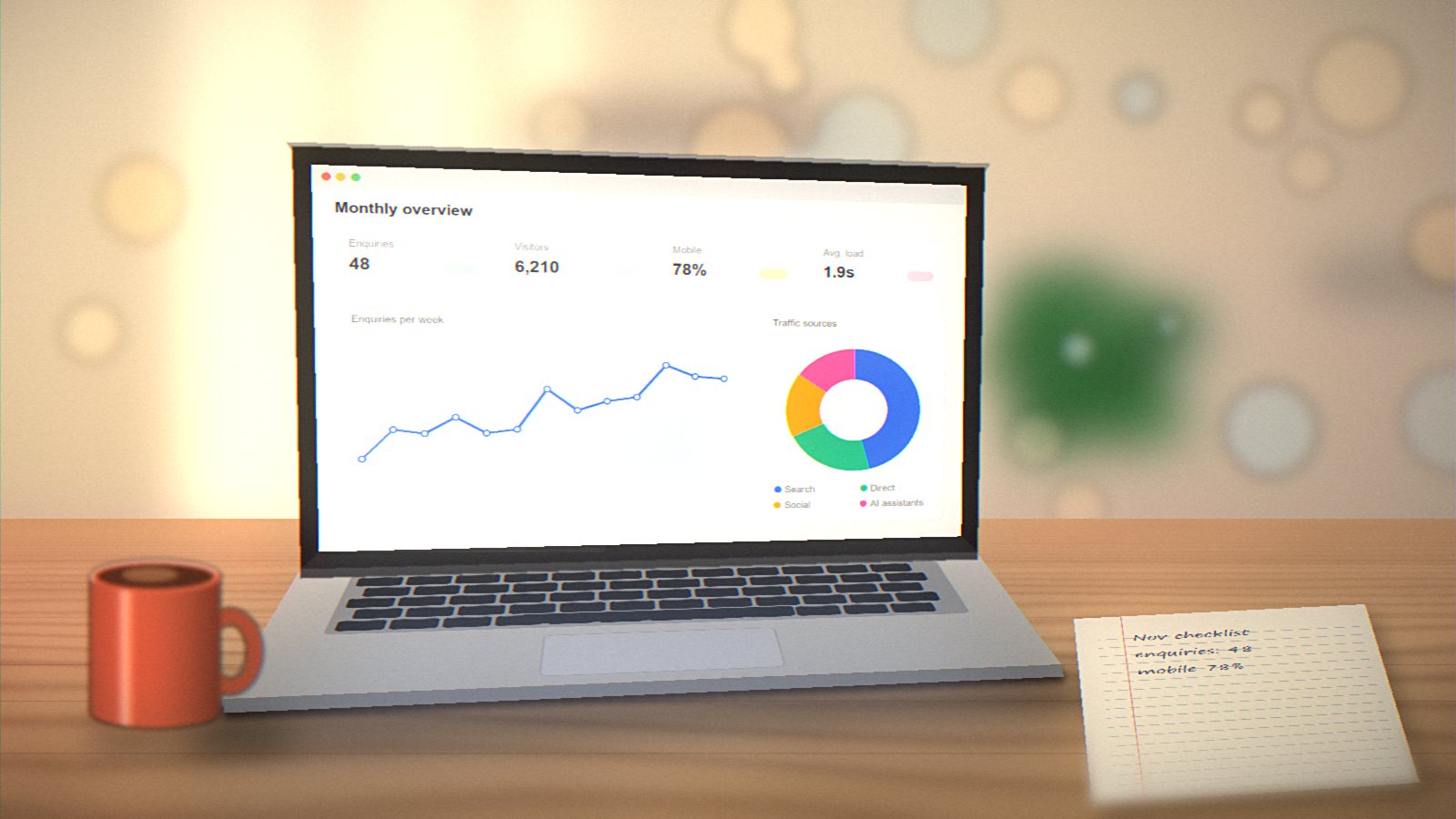
What about your analytics? Agent visits can show up as unusual traffic patterns. Some identify themselves in their user agent, many don't. This is one more reason to judge success by enquiries and sales rather than raw traffic numbers.
Accessibility and agent-readiness are the same project
This is the most useful insight we've had on the topic. If your website works well with a keyboard and a screen reader, it's most of the way to working well with AI agents. Semantic structure, clear labels and simple flows benefit everyone: people with disabilities, people in a hurry on a phone, and software acting on someone's behalf.
So if you've been putting off an accessibility review, there are now two good reasons to do it.
Our take
We don't think businesses need to rebuild their sites for AI agents. But we do think the gap between well-built and poorly built websites will matter more. A site that's clear, fast, structured and accessible will be easier to find, easier to use and easier to recommend, by people and by the software working for them.